
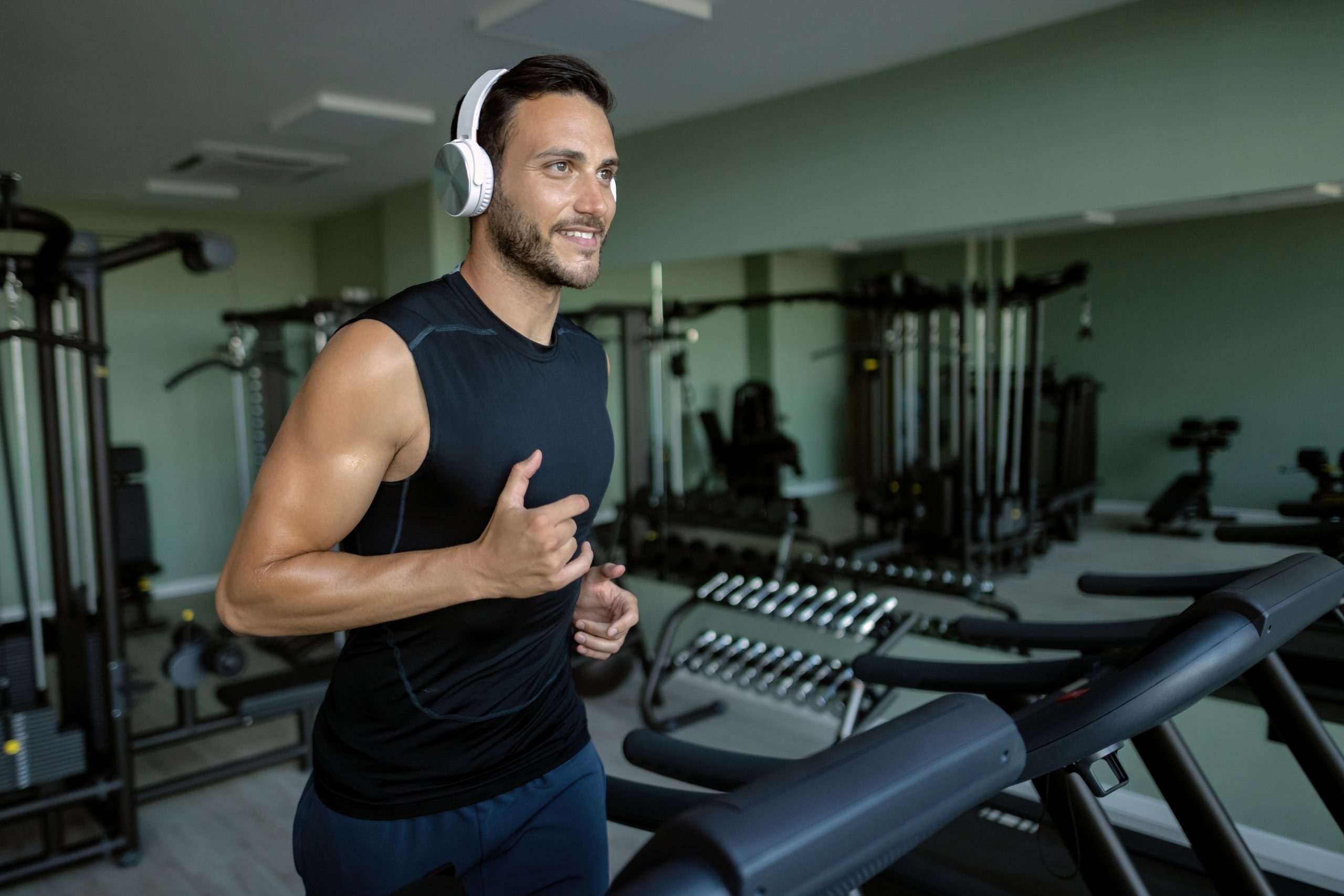
Cardio is the most important factor because it will keep lifeguards in optimal physical condition. Cardiovascular training improves the attachment of the heart, lungs, and muscles so that in case of an emergency, the lifeguards will be able to respond promptly and effectively. Specialized lifeguard clinics in Dubai offer customized cardio regimes to enhance endurance, stamina, and performance in general.
What Is Cardio?
The term cardio is the shortened form of cardiovascular exercise, which is all the activity that raises the heart rate and breathing of the body over an extended duration. The idea is to enhance the efficiency of the heart and lungs and increase endurance. Common forms include:
Running or jogging
- Swimming and water cardio
- Cycling (cardio bicycle)
- HIIT exercises (HIIT cardio) and jump rope.
- Dances such as the hip hop cardio and zumba cardio dance)
Cardio may be done at home, in an already somewhere or a professional clinic with the use of cardio equipment like treadmills, ellipticals, stationary bikes, and rowing machines.
Advantages of Cardio for Lifeguards.
Understanding the Benefits of Cardio on the Heart.
Consistent cardio exercise makes the heart stronger and reduces blood pressure, and enhances blood flow. In the case of lifeguards, a robust heart will translate to reduced response time and the capability to perform high-intensity rescue. Monitoring your heart rate (cardio) guarantees that you exercise at the best heart rate to train in endurance and fat burning.
The Vitamin Benefits of Cardio and Muscle and Joint Health.
In spite of some myths, cardio does not lead to serious losses in muscle in the case of appropriate strength training. Burpees, mountain climbers, and jump rope are exercises that increase muscular endurance and coordination. Lightweight cardio will keep the joints healthy and safe, as well as keep the person fit to perform physically demanding chores.
Mental and Brain Benefits
Cardio exercises release endorphin, which eliminates stress and enhances attention. The long shifts require guards to remain vigilant, and cardiovascular training aids in giving an individual better mental clarity, reactive speed, and general thinking.
Additional Health Benefits
- Weight control and Calorie Burn (Cardio calories burned).
- Higher level of strength and energy.
- Better sleep quality
- Stronger immune system
- Better mood and motivation.
Types of Cardio Workouts
- Beginner Exercises
- Marching in place
- Arm circles
- Single-leg stand
Supine snow angel (wipers)
- Trunk rotation
- Air squats
- Intermediate Exercises
- Jogging in place
- Jumping jacks
- Squat to front kick
- Stair climbs
- Lateral shuffles
- Air jump rope
Advanced Exercises: Squat jumps
- “Screamer” lunges
- Mountain climbers
- Burpees
- Bear crawl
- Inchworms
Cardio Machines and Tools
Equipment used in professional clinics includes:
- Running on endurance treadmills and cardio.
- Low-impact low-leg cardio bikes.
- Full-body cardio rowing machines.
- Stairmaster and Stepper machines.
- Performance monitoring cardio bracelets and fitness trackers.
Cardio Programs of Dubai Lifeguard Clinics.
Dubai lifeguard clinics offer systematic offerings of:
- HIIT cardio is ordered to increase endurance rapidly.
- Swimming-specific fitness water cardio.
- Strength and Cardio circuit training.
- Cardio classes with groups to be motivated and held accountable.
The programs are meant to increase endurance with the heart, rescue readiness, and ensure that the lifeguards are not injured during the training.
Frequency and Duration
Most lifeguards find 20 to 45 minutes per session, 35 times per week, to be the best. Endurance is best achieved by integrating low-intensity steady-state cardio (LISS) and high-intensity interval training (HIIT) to avoid burnout.
Before and After Cardio
- Warm-up to reduce injury risk
- Take fasted cardio or fed cardio based on the energy and objectives.
- Stretching between sessions to enhance flexibility and rest (yoga and cardio)
Balancing Strength Training with Cardio
In addition to substituting strength exercises, cardio complements them. To ensure maximum muscle retention as well as cardio fitness, lifeguards ought to make sessions based on lifting, swimming, or resistance training.
Cardio for Specific Goals
Weight Loss: Exercises that consume a lot of calories, such as the use of burpees, jumping jacks, and rowing, are the best.
Endurance: HIIT and water cardio enhance long shift and rescue stamina.
Muscle Retention: Muscle loss is avoided by combining cardio preceding or following strength training.
Heart Health: Routine heart work decreases the disease risk and improves recovery.
Safety Considerations
- Overtraining is to be avoided; cardio should be observed in terms of intensity, even daily.
- Wear appropriate machinery to avoid harm.
- Keep hydrated, particularly during hot weather such as in Dubai.
- Learn to listen to your body, namely, increase or decrease intensity in case of feeling tired or sore.
Conclusion
Lifeguards need cardio, which guarantees optimal fitness, increased stamina, and faster reaction to an emergency. The clinics of Dubai offer structured and professional programs that combine HIIT, water cardio, machine exercises, and circuit training to help lifeguards be in optimal physical and mental condition. Through cardio and strength training coupled with the recovery strategies, the lifeguards will be able to peak their performance, health, and rescue preparedness.
At home or in a clinic, regular cardio exercises are the magic secret of always being fit, strong, and ready to take any kind of challenge.